Latest Updates

Showing posts with label Fun Office. Show all posts

Friday, 2 December 2011

FW: 巧妙運用10個職場談話技巧讓一個人平步青雲‏

0 comments

1.以最婉約的方式傳遞壞消息句型:我們似乎碰到一些狀況… 
你剛剛才得知,一件非常重要的案子出了問題,如果立刻衝到上司的辦公室里報告這個壞消息,就算不干你的事,也只會讓上司質疑你處理危機的能力,弄不好還惹來一頓罵,把氣出在你頭上。此時,你應該以不帶情緒起伏的聲調,從容不迫的說出本句型,千萬別慌慌張張,也別使用”問題”或”麻煩”這一類的字眼;要讓上司覺得事情並非無法解決,而”我們”聽起來像是你將與上司站在同一陣線,並肩作戰。


2.
上司傳喚時責無旁貸句型:我馬上處理。
冷靜、迅速的做出這樣的回答,會令上司直覺的認為你是名有效率、聽話的好部屬;相反,猶豫不決的態度只會惹得責任本就繁重的上司不快。夜裡睡不好的時候,還可能遷怒到你頭上呢!


3.
表現出團隊精神句型:安琪的主意真不錯!
安琪想出了一條連上司都讚賞的絕妙好計,你恨不得你的腦筋動得比人家快;與其拉長臉孔、暗自不爽,不如偷沾他的光。方法如下:趁著上司聽得到的時刻說出本句型。在這個人人都想爭著出頭的社會裡,一個不妒嫉同事的部屬,會讓上司覺得此人本性純良、富有團隊精神,因而另眼看待。


4.
說服同事幫忙句型:這個報告沒有你不行啦!
有件棘手的工作,你無法獨力完成,非得找個人幫忙不可;於是你找上了那個對這方面工作最拿手的同事。怎麼開口才能讓人家心甘情願的助你一臂之力呢?送高帽、灌迷湯,並保證他日必定回報;而那位好心人為了不負自己在這方面的名聲,通常會答應你的請求。不過,將來有功勞的時候別忘了記上人家一筆。


5. 
巧妙閃避你不知道的事句型:讓我再認真的想一想,三點以前給您答复好嗎?
上司問了你某個與業務有關的問題,而你不知該如何做答,千萬不可以說”不知道”。本句型不僅暫時為你解危。也讓上司認為你在這件事情上頭很用心,一時之間竟不知該如何啟齒。不過,事後可得做足功課,按時交出你的答复。


6.
智退性騷擾句型:這種話好像不大適合在辦公室講喔!
如果有男同事的黃腔令你無法忍受,這句話保證讓他們閉嘴。男人有時候確實喜歡開黃腔,但你很難判斷他們是無心還是有意,這句話可以令無心的人明白,適可而止。如果他還沒有閉嘴的意思,即構成了性騷擾,你可以向有關人士舉發。


7.
不著痕蹟的減輕工作量句型:我了解這件事很重要;我們能不能先查一查手頭上的工作,把最重要的排出個優先順序?
不如當下就推辭。首先,強調你明白這件任務的重要性,然後請求上司的指示,為新任務與原有工作排出優先順序不著痕蹟的讓上司知道你的工作量其實很重,若非你不可的話,有些事就得延後處理或​​轉交他人。


8.
恰如其分的討好句型:我很想知道您對某件案子的看法……
許多時候,你與高層要人共處一室,而你不得不說點話以避免冷清尷尬的局面。不過,這也是一個讓你能夠贏得高層青睞的絕佳時機。但說些什麼好呢?每天的例行公事,絕不適合在這個時候被搬出來講,談天氣嘛,又根本不會讓高層對你留下印象。此時,最恰當的莫過於一個跟公司前景有關,而又發人深省的話題。問一個大老闆關心又熟知的問題,但他滔滔不絕的訴說心得的時候,你不僅獲益良多,也會讓他對你的求知上進之心刮目相看。


9.
承認疏失但不引起上司不滿句型:是我一時失察,不過幸好……
犯錯在所難免,但是你陳述過失的方式,卻能影響上司心目中對你的看法。勇於承認自己的疏失非常重要,因為推卸責任只會讓你看起來就像個討人厭、軟弱無能、不堪重用的人,不過這不表示你就得因此對每個人道歉,訣竅在於別讓所有的矛頭都指到自己身上,坦承卻淡化你的過失,轉移眾人的焦點。


10.
面對批評要表現冷靜句型:謝謝你告訴我,我會仔細考慮你的建議。
自己苦心的成果卻遭人修正或批評時,的確是一件令人苦惱的事。不需要將不滿的情緒寫在臉上,但是卻應該讓批評你工作成果的人知道,你已接收到他傳遞的信息。不卑不亢的表現令你看起來更有自信、更值得人敬重,讓人知道你並非一個剛愎自用、或是經不起挫折的人。

Tuesday, 22 November 2011

FW: Top 10 Things You Never Want to Hear at Work

0 comments
image credit to: http://my.opera.com/Incubus0305/albums/showpic.dml?album=798744&picture=10833381
Whoever came up with the expression, "It's better to give than to receive," must have been talking about bad news.

Of course it's awful to deliver bad news, no doubt about it. But having been on both sides of the equation more times than I care to think about, I'd have to say that, given the choice, I'd rather not be on the receiving end.

Unfortunately, there is an awful lot of bad news being delivered these days. And I hate to say this, but so sooner or later, you're probably going to end up on the wrong end of it. When that happens, you're going to wish you had some warning because, well, you know what they say, forewarned is forearmed.

To that end, here are 10 phrases that, when you hear them, you can be pretty sure that what follows isn't going to be good. And while knowing what's coming won't buy you much time, you'd be surprised how many cycles the brain can process when it's racing in panic mode.

After all -- and this is important, so pay attention -- how you respond can make a big difference in whether people think of you as a consummate professional or a child throwing a tempter tantrum.

Top 10 Things You Never Want to Hear at Work

1. We've got a crisis on our hands. Don't be fooled by the implication of shared responsibility. That's just a euphemism. Make no mistake; you're on the receiving end of the message because you're the one they're counting on to handle the crisis or die trying.

2. There's no easy way to say this. Guess what? There's no easy way to hear it, either. This can precede any number of events, from you're about to get fired or your top employee is quitting on you to your biggest customer is bolting for your top competitor. It's all bad.

3. Why don't you take some time off? This particular question can either precede or follow some really unpleasant news, like one of your employees has filed a sexual harassment claim against you or "I'm afraid you're burning out and I don't want to have to fire your butt."

4. All your meetings have been cancelled. This is where you say, "What do you mean all my meetings have been cancelled?" to which your admin replies, "What can I say, nobody wants to meet with you." They could be customers, the media, employees, whatever, you're now officially insignificant. Never a good thing.

5. Did you really just say that? Lots of people, especially public figures, have heard that one right after they think something that wasn't supposed to actually come out of their mouths, usually while the mic is on, the tape is rolling, or the boss is on the receiving end.

6. I accidentally deleted it. It's gone. You may not have pulled the trigger but the fact that you're on the receiving end means that, whatever it was -- probably a pitch or report you worked on for weeks -- you're the one who's going to suffer because of someone else's screw-up.

7. Do you really think your presentation went well? That's when you ask, "Was it really that bad?" and the other person replies, "Um … sorry to tell you this, but you'll be lucky if they don't cancel your whole project."

8. Can I have a word with you in private? Not that good news is always delivered in public, but even when someone wants to chat with you about something innocuous, he won't say it like that. He'll opt for something like, "Where can we talk?" or "You're not gonna believe what I heard."

9. Um … how long did it take you to do that? That's usually followed by something like a recommendation that you do it over and way, way better if you want to keep your job.

10. You've been served. Not much you can do about this one, considering you've already blown it by answering yes to the magic question, Are you [your name]? Whether you're served at work or not, it really doesn't matter. You're going to wish it never happened.

Did I forget to say that I've either said or heard every single one of these lines? In some cases, both. It's true. And you know I've never been a process server

Monday, 21 November 2011

FW: 现代上班族特色

0 comments


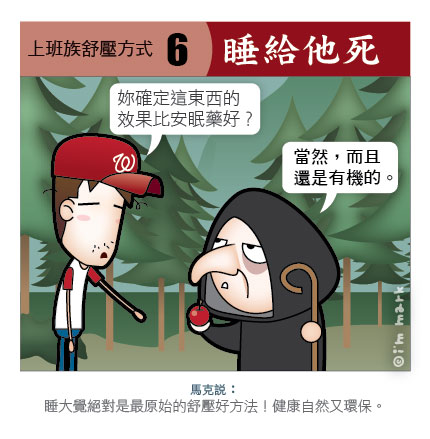
FW: 馬克之上班族舒壓~

0 comments

Fun Office 翻转我肥史

Fun English 翻转英哥历史

Download

Categories

Blogger Tricks